
For more than 130 years, elephants have been at the heart of Zoo Basel’s identity, reflecting the changing role of zoos in Europe from places of spectacle to institutions focused on conservation, breeding and animal welfare. Founded in 1874, Basel Zoo, known locally as the “Zolli,” initially focused on native European wildlife but as public fascination with exotic animals grew, elephants became among its most celebrated residents.
The zoo’s first famous elephant, the Asian elephant Miss Kumbuk, arrived in 1891. Her arrival led to the construction of Basel’s first dedicated elephant house and marked the beginning of a long tradition of elephant keeping. During the twentieth century Basel shifted its focus from Asian to African elephants becoming one of Europe’s best-known institutions for the species.
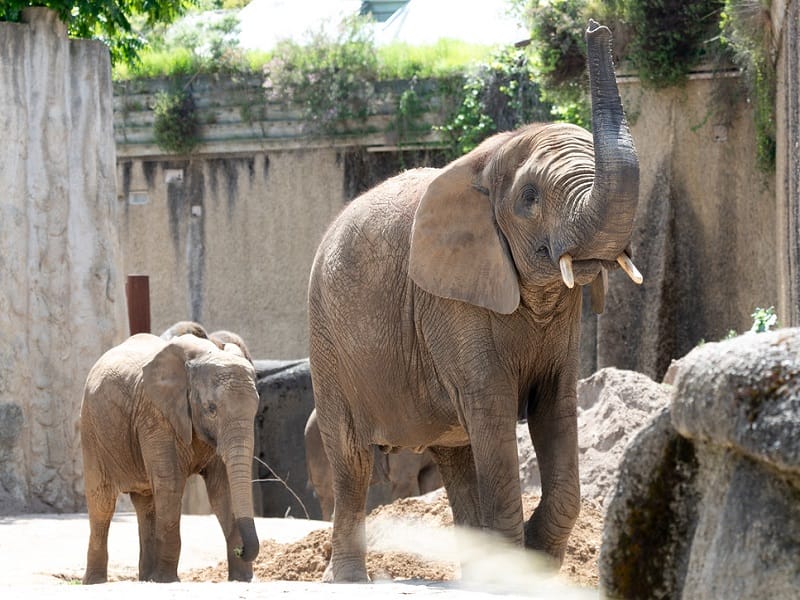
A defining figure in this history was Ruaha, an African elephant who arrived in Basel in 1952 and later became the herd’s matriarch. She lived until 2010 and was believed at the time of her death to be the oldest African elephant in captivity. Basel also became active in European breeding programmes producing calves that later contributed to elephant populations in other zoos. Among them was Pambo, born in Basel in 1992.
A New Elephant Complex
By the early 2000s attitudes toward keeping elephants in captivity were changing. Older elephant houses across Europe were increasingly criticised for being too small and inadequate for such intelligent and social animals. Basel responded with one of the most ambitious projects in its history: Tembea, meaning “to walk” in Swahili.
Opened in 2017 the new elephant complex represented a major shift in philosophy. Instead of simply displaying elephants the facility was designed around their behavioural and social needs. Tembea introduced a large free-range indoor hall, multiple outdoor areas, varied ground surfaces to improve foot health and modern enrichment spaces intended to encourage natural behaviours.
Yet the years that followed proved difficult. In 2021 Basel received the breeding bull Tusker, who became internationally known after videos of him balancing logs circulated online. His stay was short-lived, in 2023 he died after contracting tuberculosis. The zoo then faced another devastating loss when Heri, the longtime matriarch who had lived in Basel since 1988, was euthanised in 2025 after prolonged health complications connected to a failed pregnancy.
Heri’s death destabilised the remaining herd. According to reports, tensions developed between the two remaining females, Maya and Rosy, leading Basel Zoo to transfer them separately to zoos in France in March 2026. For the first time in decades Basel temporarily had no elephants at all.
Beginnings and Endings
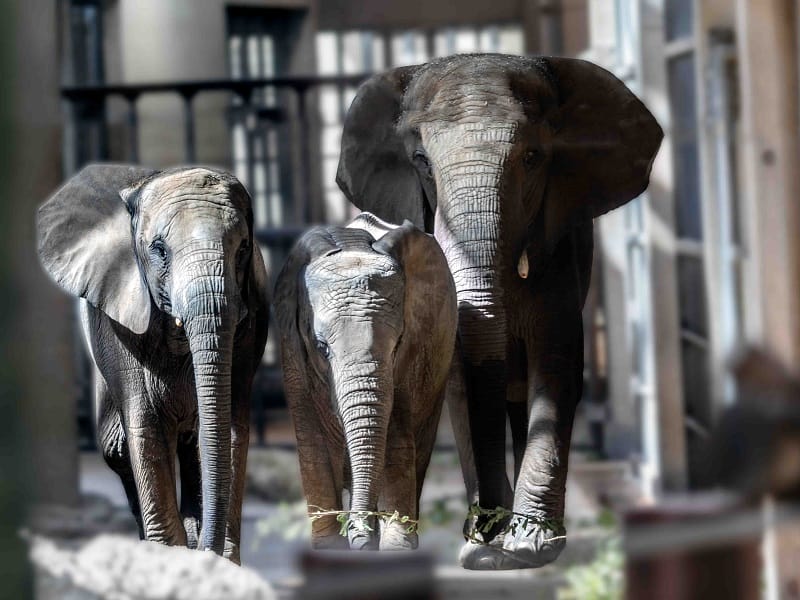
The absence marks both an ending and a new beginning. Basel has announced plans to rebuild its herd around a more stable matrilineal structure, reflecting how elephant families naturally function in the wild. To achieve this, the zoo has welcomed three African savanna elephants from Wuppertal Zoo in Germany: Tika and her daughters Kimana and Mali. They arrived on 27th May 2026 but are not yet on public view. If you are lucky you can catch a glimpse of them even now through the glass doors of their enclosure
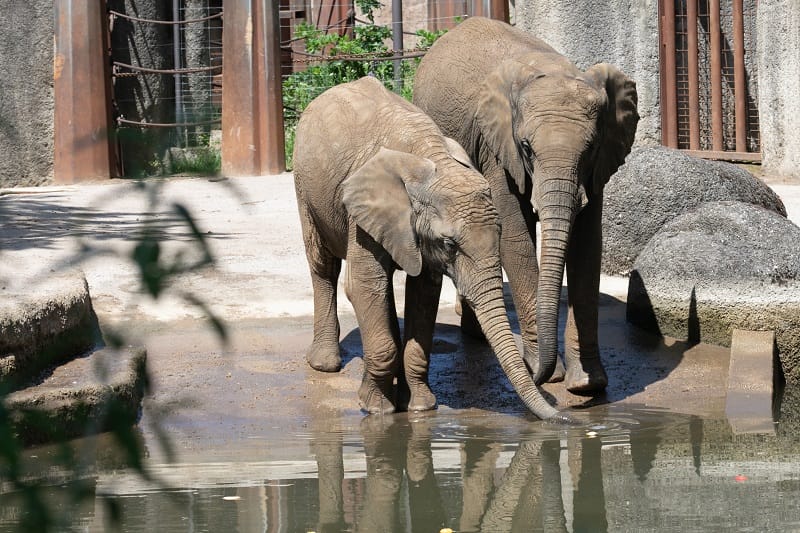
The choice is significant. Tika belongs to a successful multigenerational breeding line and is the daughter of Tusker, the same bull who later lived and died in Basel. Her daughters, born in 2020 and 2022, will allow Basel to rebuild around a related female family group rather than unrelated individuals.
Today, Basel Zoo’s elephant programme stands at a crossroads. Its history mirrors the wider evolution of European zoos from exotic exhibition to scientific breeding, from entertainment to welfare-focused conservation. The arrival of Tika, Kimana, and Mali represents Basel’s latest attempt to create a more stable and natural future for one of the zoo’s most iconic species.
Text and images by Colin Hughson